Revenge of Sultans was one of the first SLGs designed specifically for the Middle East and North Africa, and among our case studies it is the clearest example of localization setting the ceiling. This review is about method, not numbers: which decisions let it take root in a market that almost no Chinese studio was cultivating at the time.
Background and target markets
The core paying markets in MENA are the Gulf states: Saudi Arabia, the UAE, Kuwait and Qatar. Arabic-speaking, high spending power, strong appetite for SLGs and alliance play. Arabic games were few and uneven in quality, and players responded visibly to a game made for them. That was the starting point of the whole strategy.
Arabic localization: text, art and reading direction
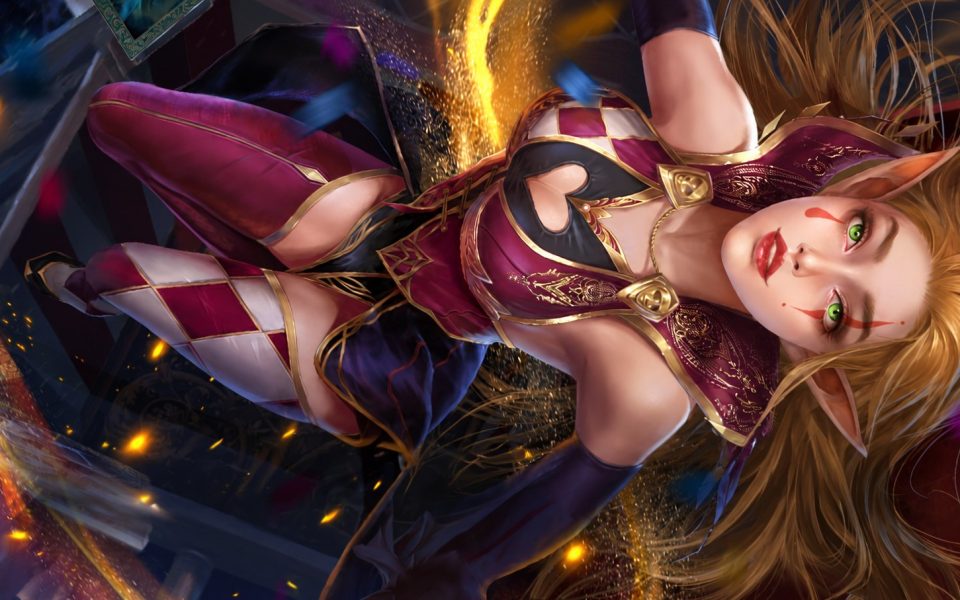
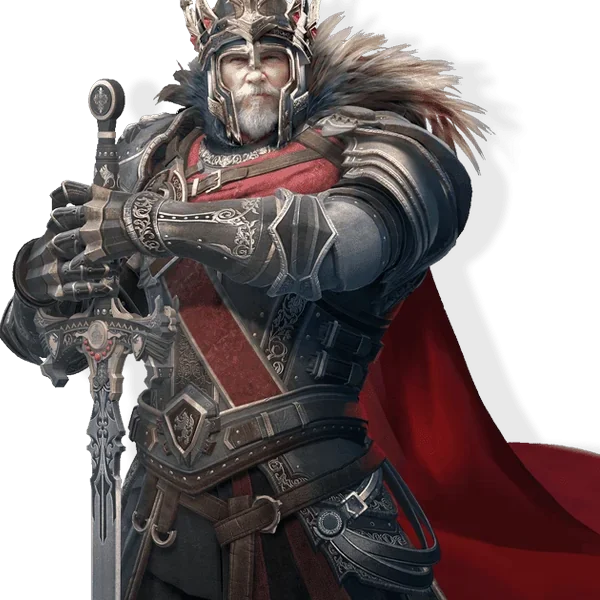
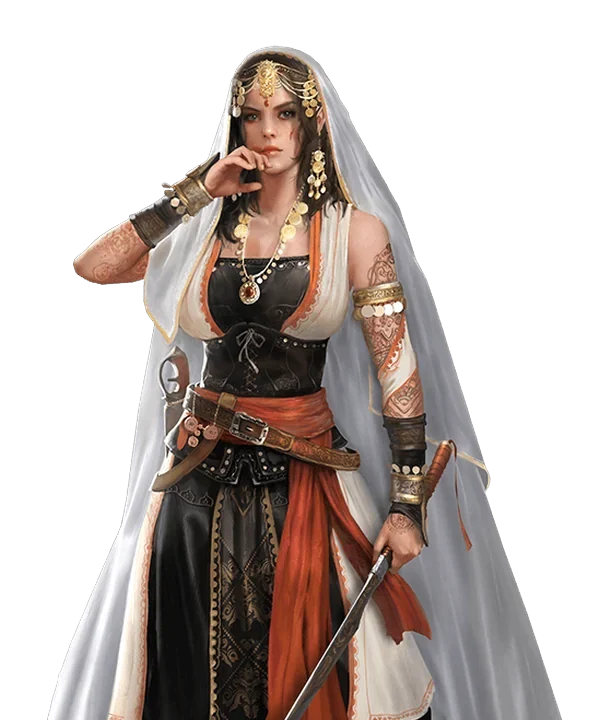
Arabic is written right to left, so the UI has to be mirrored, not just translated; font rendering, number formats and line breaking all need separate handling. The art is built around the history and heroic narratives of the Arab world, with characters, architecture and music designed for it rather than a reskinned Western fantasy set.
Copy was rewritten by native Arabic speakers rather than translated: forms of address, honour and alliance relationships are expressed differently. Players can tell a translated game from a game made for them at a glance, and only the latter earns word of mouth.
Event cadence: Ramadan and local holidays
Ramadan is the most important live-ops window of the year in MENA: routines change, late-night play rises, family and social play strengthen. Events, bundles and streams were scheduled around Ramadan and Eid, and local holidays such as Saudi National Day joined the annual calendar. The ops calendar follows local life, not the Chinese release rhythm.
UA and community: channels and creators
Social media penetration in the Gulf is among the highest anywhere; YouTube, Snapchat, Instagram and local creators are the main channels, and creatives use Arabic voice-over rather than subtitles. Community work centres on Arabic-speaking support and alliance leaders; feedback cycles are short, word of mouth travels fast, and support response time shows up directly in ratings.
Results and reusable lessons
The game held a long-running place near the top of the grossing charts in the Gulf and made “Arabic first” the standard approach for SLGs entering MENA. Five lessons carry over:
- Designing for one market from the ground up beats translating for the world in passing.
- Reading direction, fonts and number formats are the fundamentals of Arabic localization.
- The ops calendar must follow local religion and holidays.
- Arabic voice-over creatives and local creators drive UA.
- Support and community run in the local language, at the local rhythm.
Key takeaways
- The Gulf states are the spending core of MENA; Arabic comes first.
- Mirror the UI, handle fonts and number formats separately.
- Ramadan is the most important live-ops window.
- Arabic voice-over and local creators drive acquisition.
- Local-language support shows up in ratings and word of mouth.
If your game fits MENA, we apply this playbook directly to your project.
Have a game you want to take to the West?
Send us a gameplay video and a playable build. We reply within 48 hours.